48 hr
2-Day Private Ajanta & Ellora Caves Tour from Aurangabad
Explore two ancient UNESCO World Heritage Sites across two days on a fully private guided journey.
Reserve
Thirty caves cut in basalt, painted in patient ochre.
Hand-picked by our editors — only the best 5 guided experiences from 240 reviewed.
Verified partners for Ajanta Caves tours, free cancellation where available, and instant confirmation on every booking.
48 hr
Explore two ancient UNESCO World Heritage Sites across two days on a fully private guided journey.
Reserve
10 hr
Discover two UNESCO World Heritage cave complexes in one epic 10-hour journey from Aurangabad.
Reserve
24 hr
Discover 34 ancient cave temples and stunning Buddhist frescoes on a private guided day trip.
Reserve
48 hr
Discover 63 ancient rock-cut caves across two UNESCO World Heritage Sites in two immersive days.
ReservePrices from verified partners. Availability updates in real time at checkout. Free cancellation policies apply where shown.
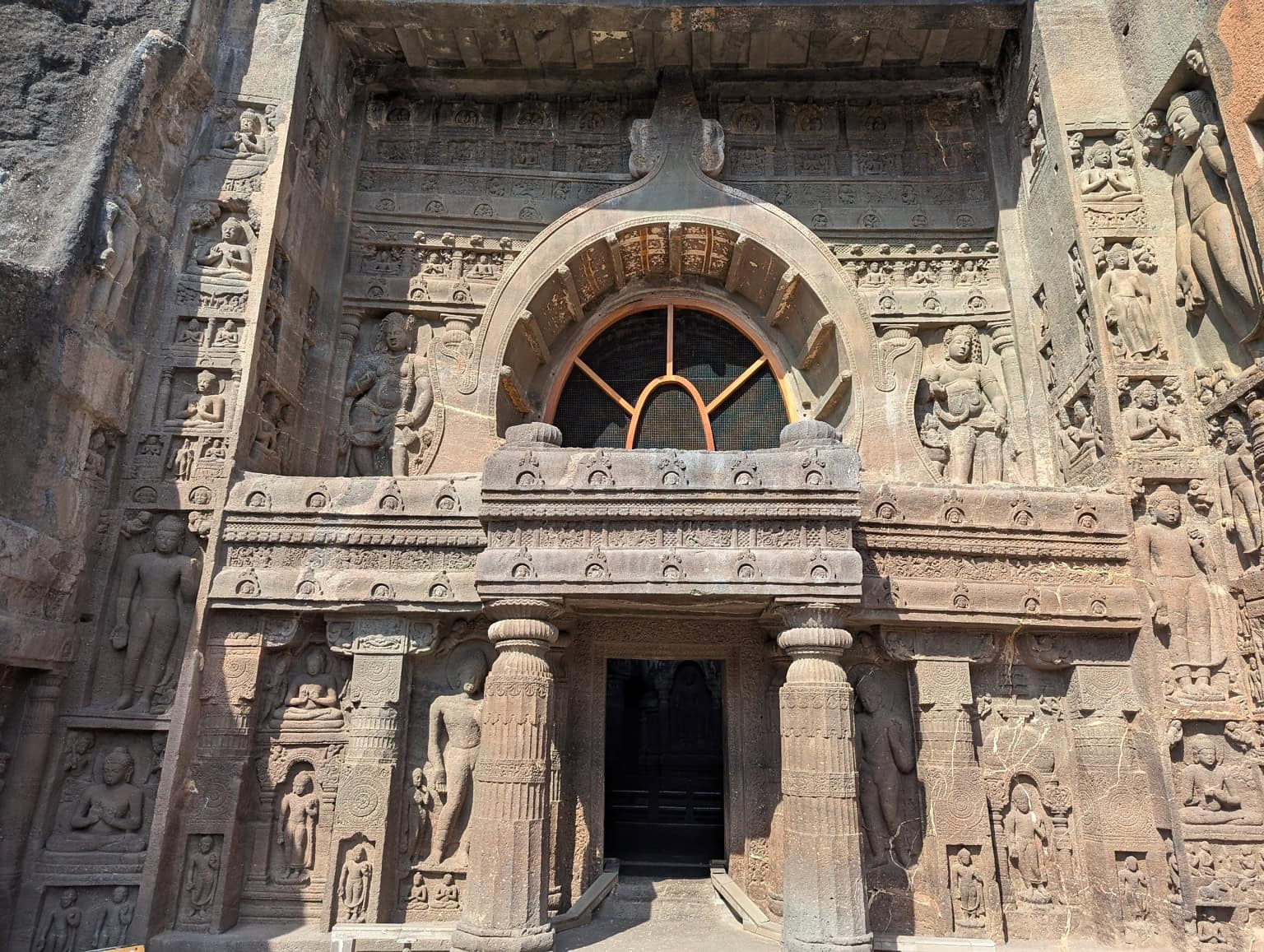
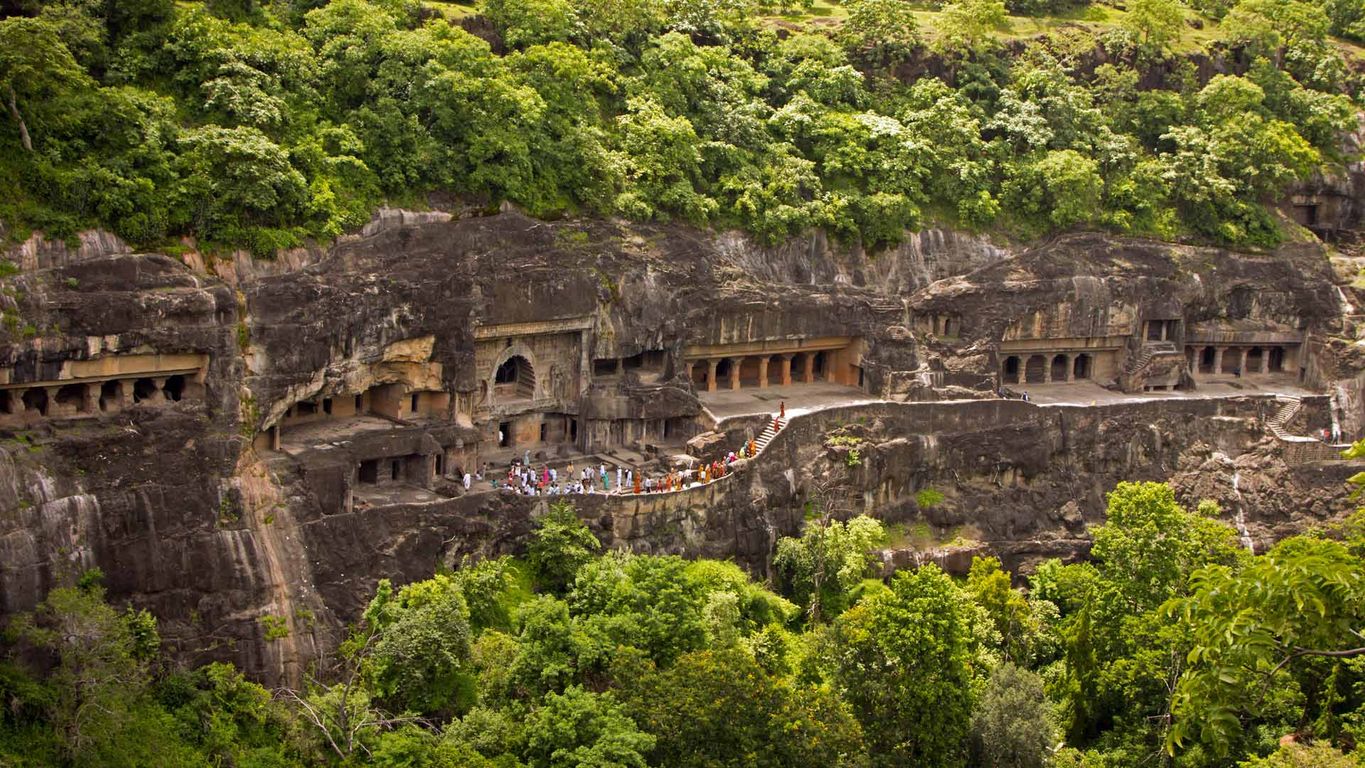
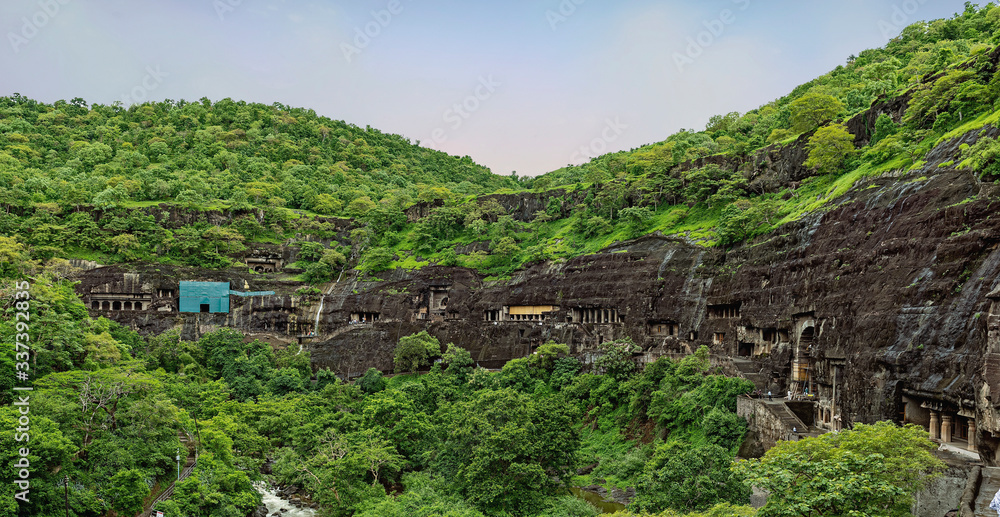
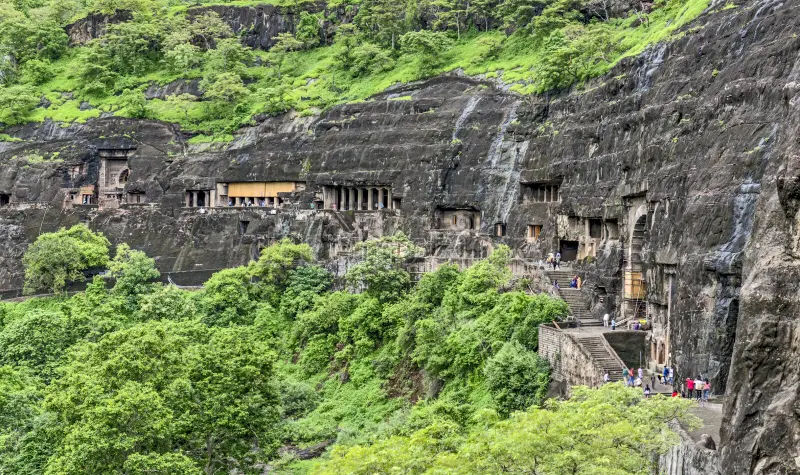
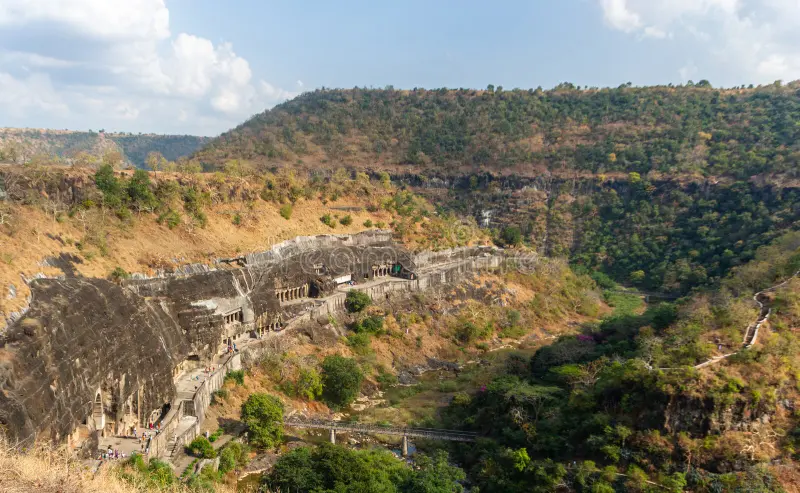
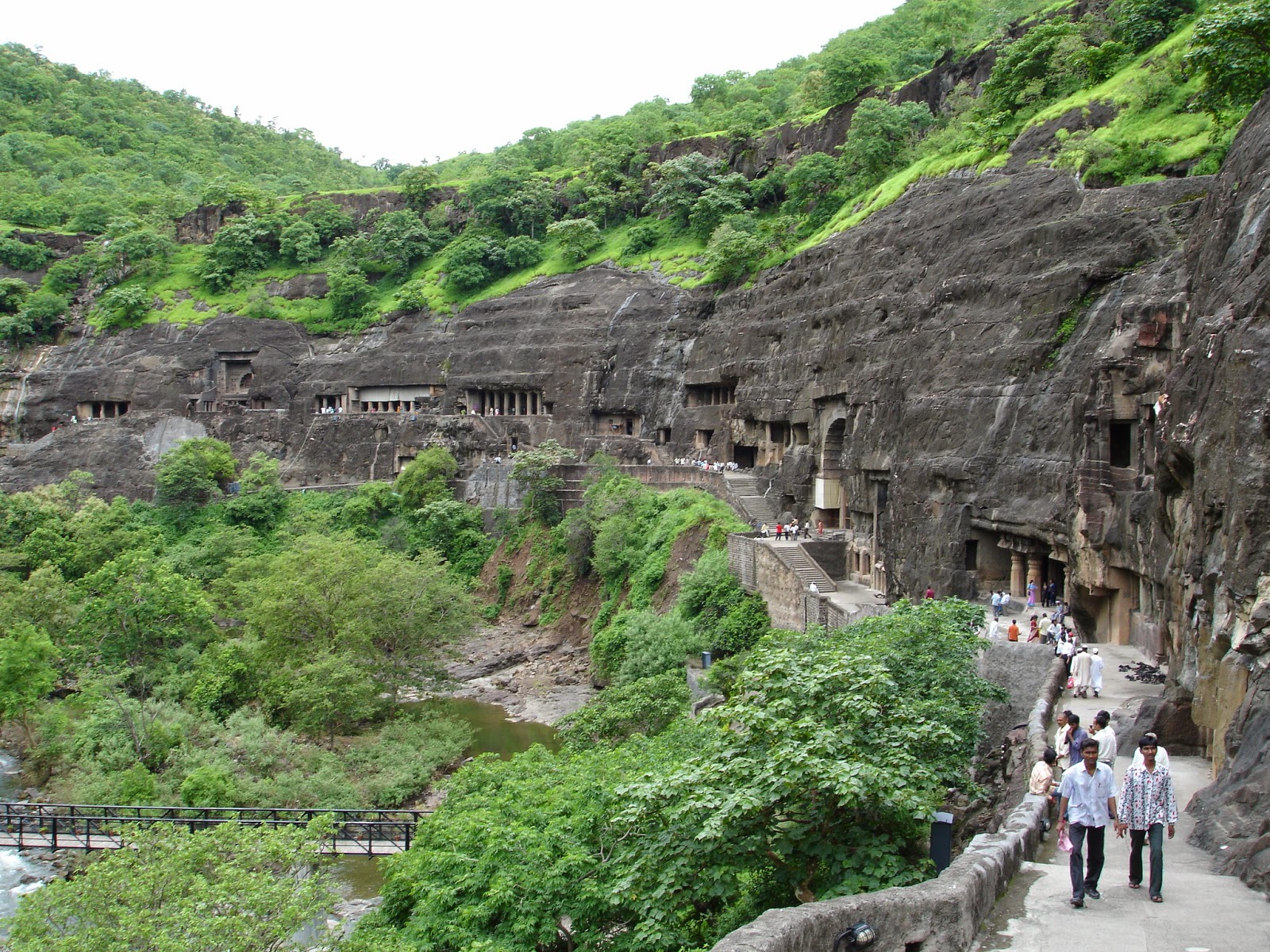
Carved into a horseshoe cliff above the Waghora River, the ajanta caves were abandoned around the seventh century and lay hidden until a British hunting party stumbled on them in 1819.
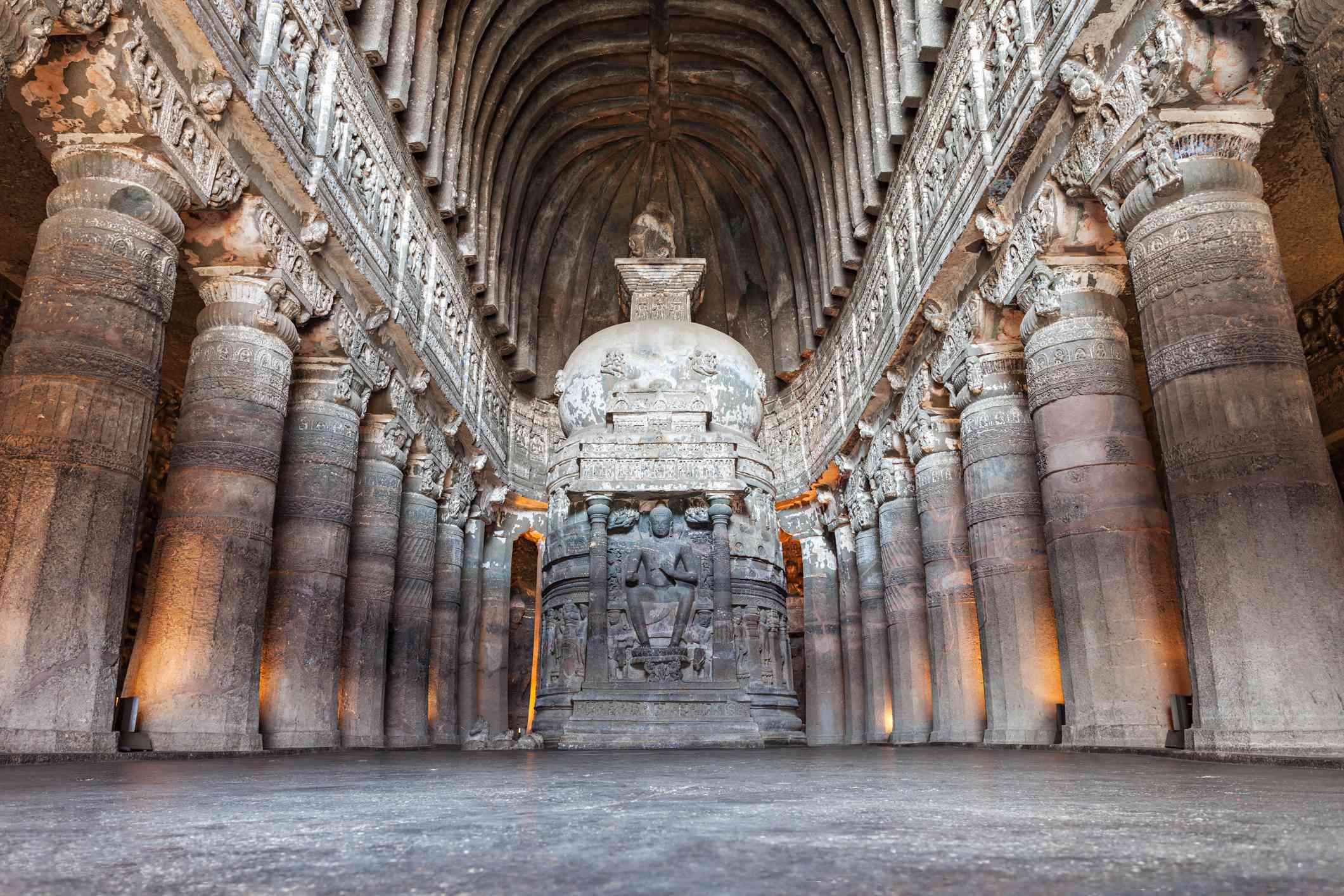
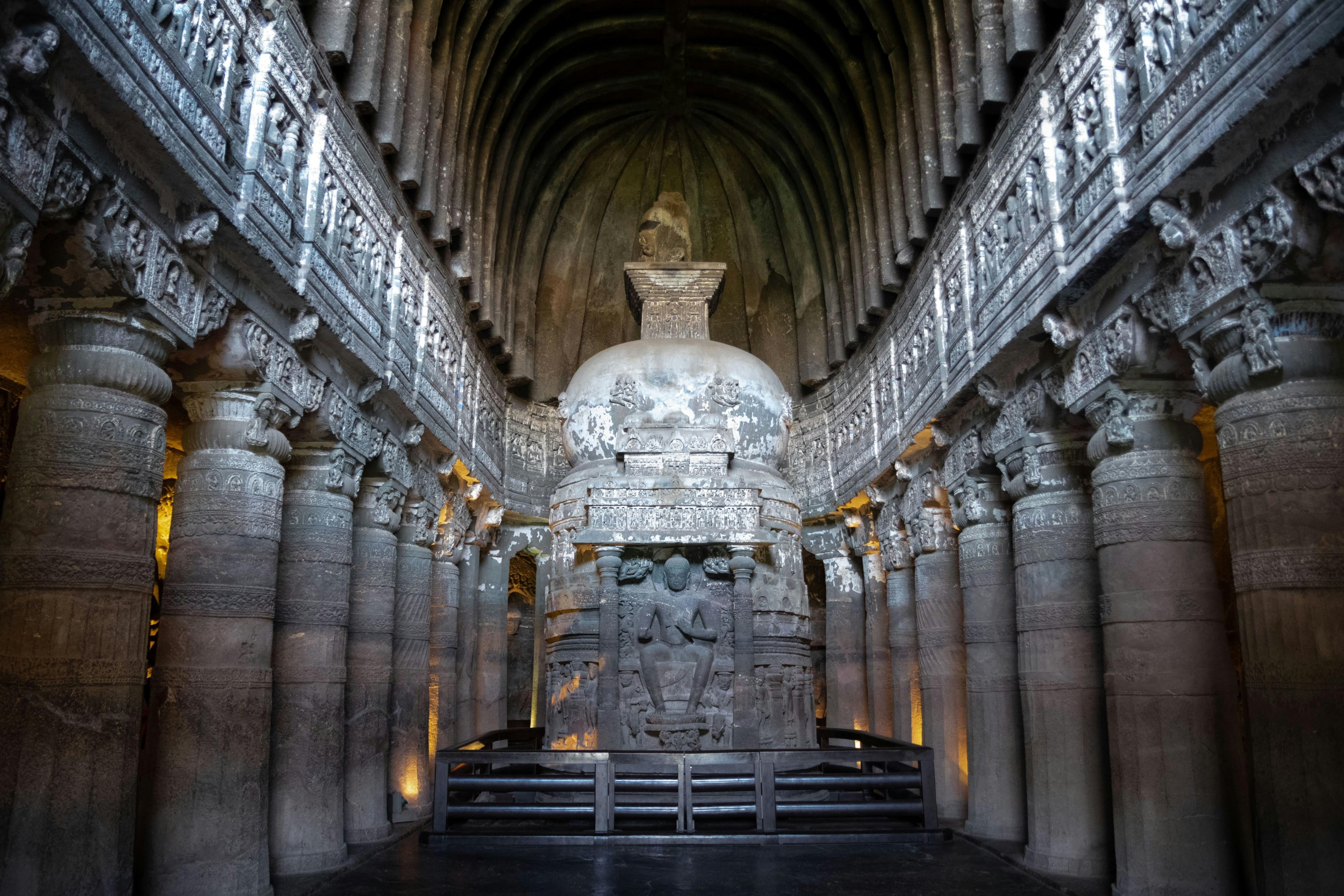
Thirty rock-cut sanctuaries, hewn from solid basalt across two phases beginning in the second century BCE, hold some of the earliest surviving Buddhist mural painting in the world.
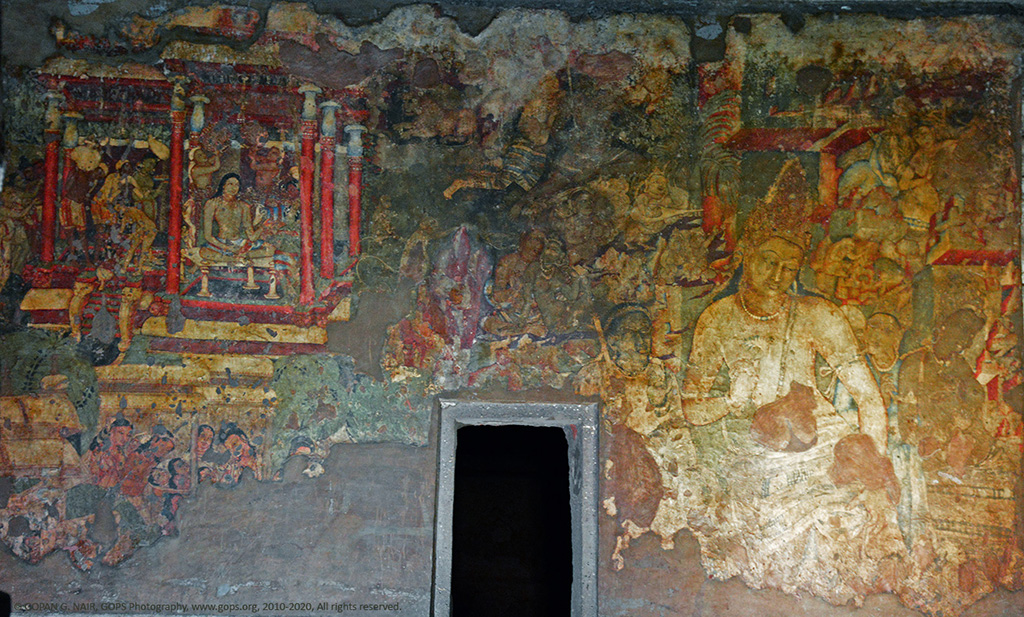
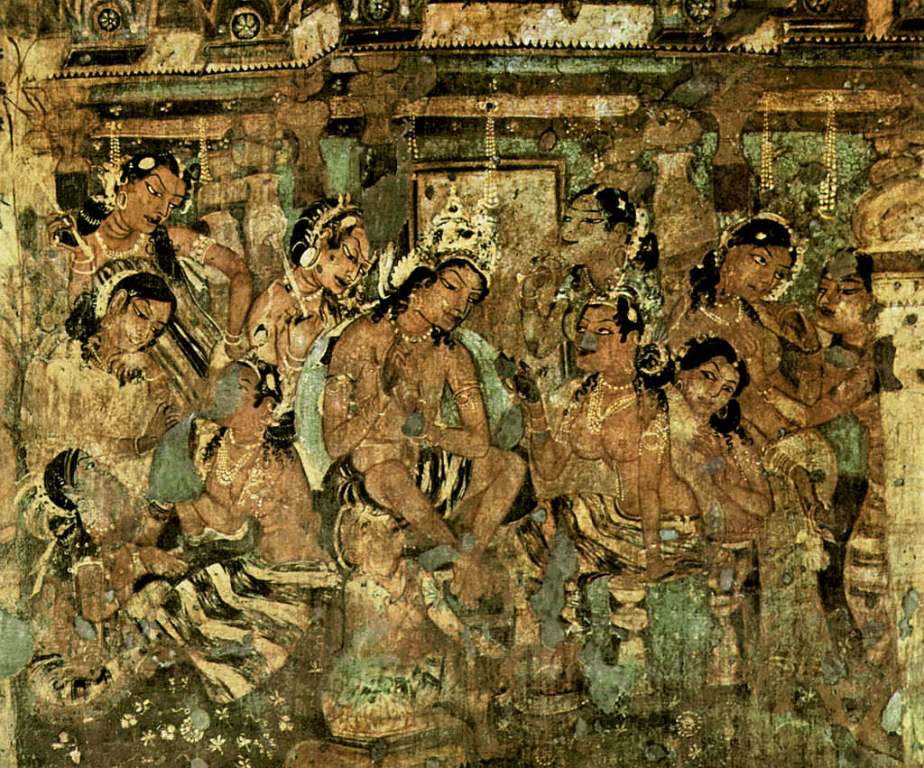
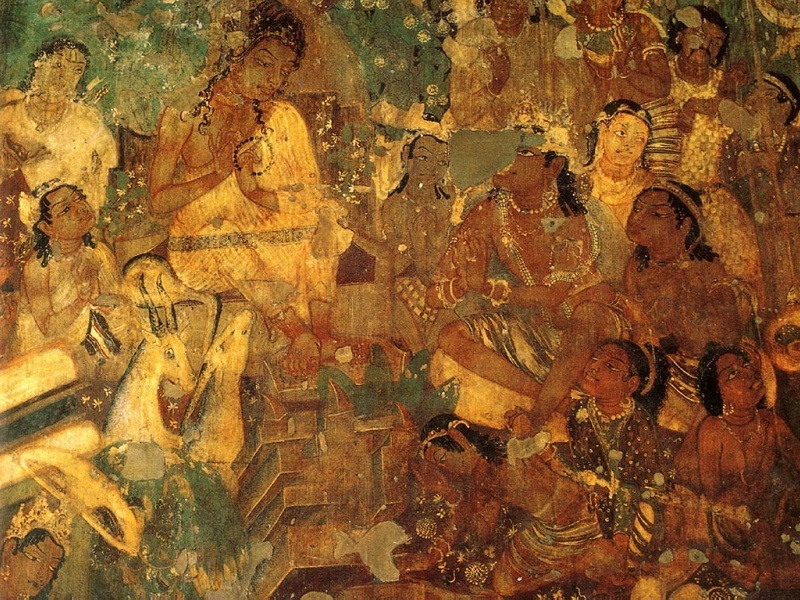
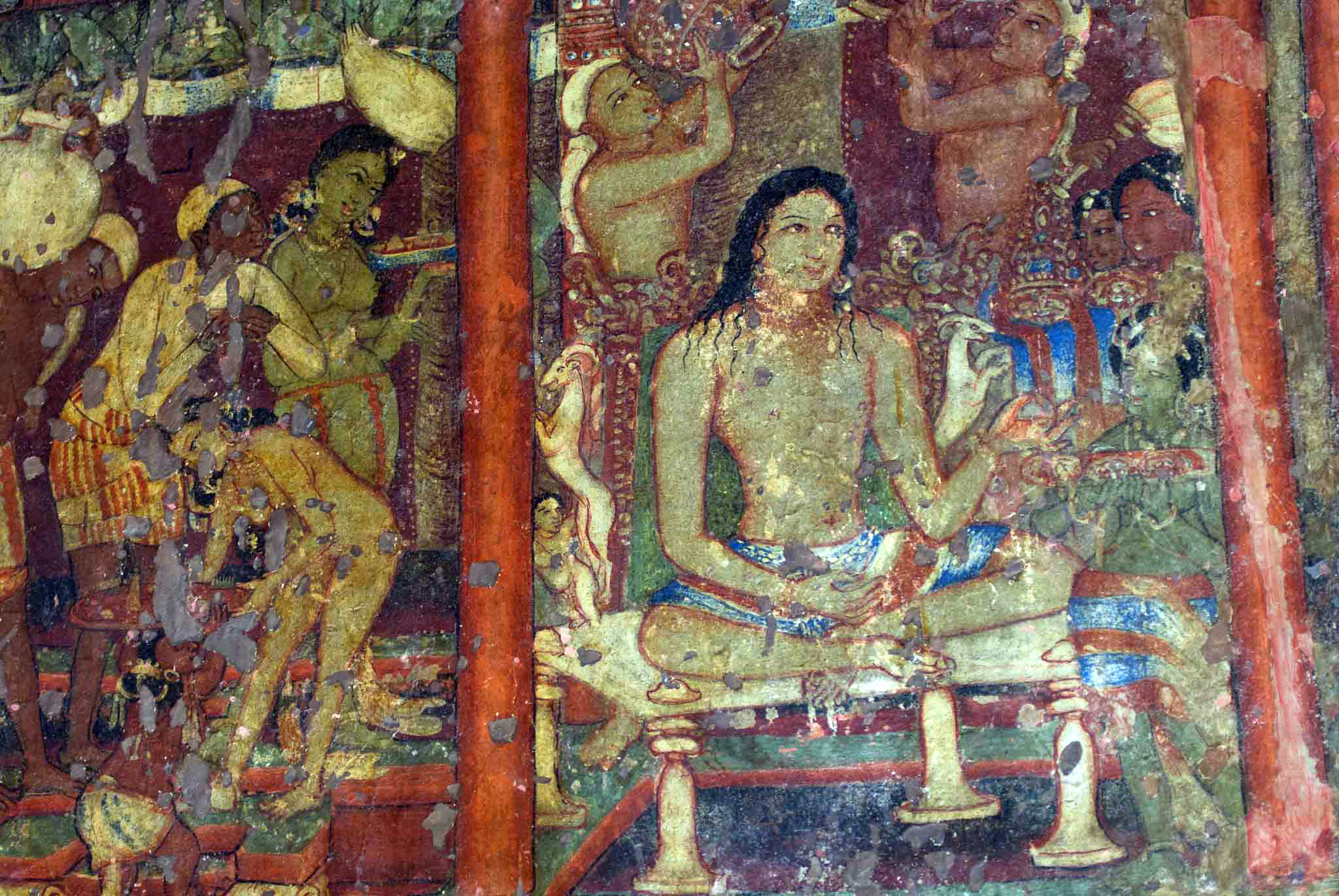
The tempera figures — bodhisattvas, court processions, Jataka tales — were laid over patient ochre, their pigments fixed in mud plaster. Today the site anchors the wider Ajanta Ellora circuit: many travellers pair the ajanta ellora caves with an Ajanta Ellora Aurangabad itinerary, booking an Ajanta Ellora tour package that links both UNESCO-listed escarpments. A Maharashtra landmark of rare continuity, it remains a touchstone for art historians and pilgrims alike.
"Hidden for twelve centuries, the painted cliff still holds the patient ochre of vanished hands."
A step-by-step walkthrough of Ajanta Caves tickets — what you'll see, how long each stage takes, and the details that matter.
You arrive between 09:00 and 11:00, when the crowds are thin and morning light slips across the murals. From the buffer-zone gate you board a short shuttle to the cliff base, then climb the stepped path to Cave 1, where the bodhisattva Padmapani waits in dim half-light.
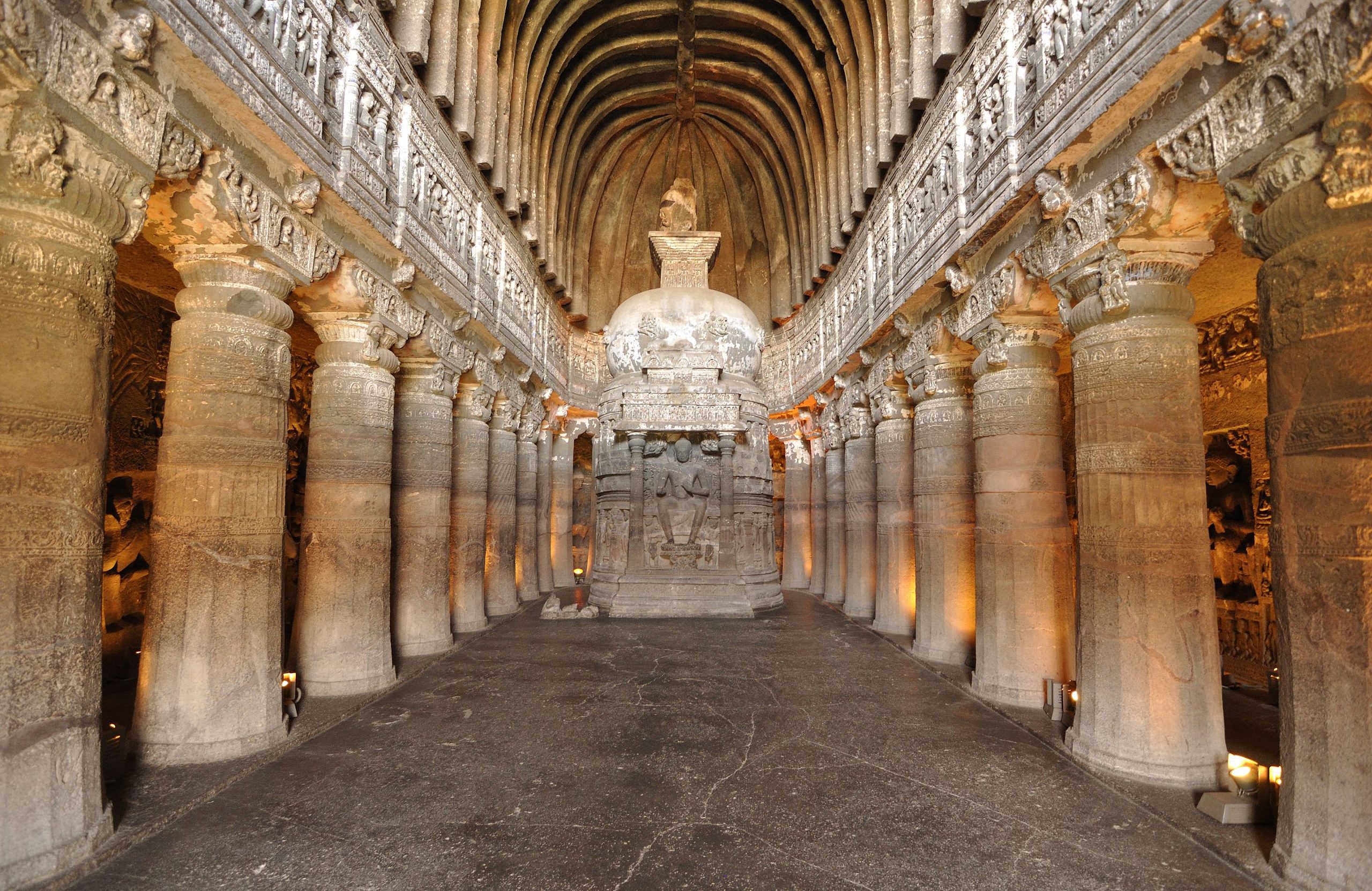
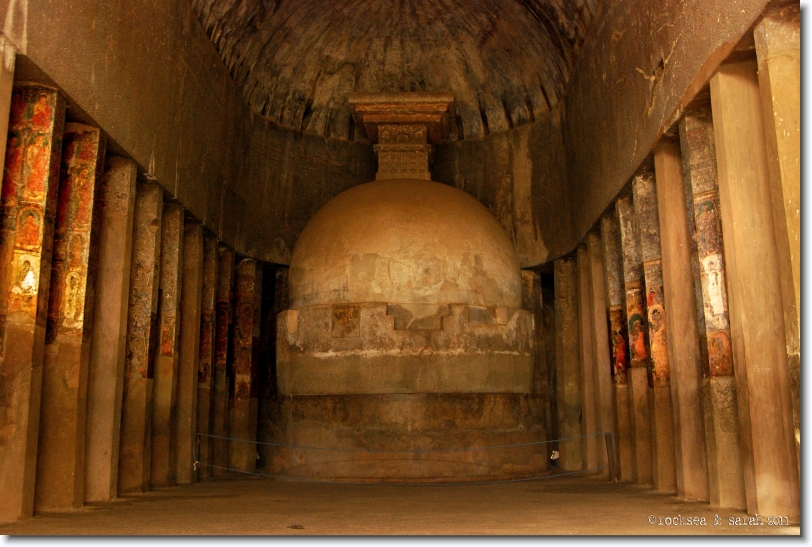
You move along the horseshoe in sequence — the chaitya hall of Cave 26 with its stone stupa, the painted ceilings of Cave 17. You pause at viewpoints over the Waghora gorge, then descend before midday heat. Many visitors fold this site into a wider Aurangabad Ajanta Ellora tour package, returning the next day for Ellora's monoliths. The foreign-national conservation fee is 600 INR; closed Mondays, open 09:00–17:30 otherwise.
The landmarks, rooms, and views travelers on Ajanta Caves tours remember — all visible on a single visit.
One of the last caves excavated at Ajanta and the most elaborately decorated, Cave 1 contains the celebrated Bodhisattva Padmapani mural — a lotus-holding figure whose serene expression and royal ornamentation represent the artistic peak of Gupta-era Indian painting.
Described by scholars as containing Ajanta's best-preserved and most varied paintings, Cave 17 stretches across 20 octagonal pillars and depicts more than 30 individual Jataka tales, including the famous princess-at-her-mirror scene, rendered in natural mineral pigments that retain vivid colour after 1,500 years.
Commissioned by Varahadeva, minister of Vakataka king Harishena around 475–500 CE, Cave 16 features the 'Dying Princess' — a painting so emotionally precise in its portrayal of drooping fingers and sightless eyes that it is regarded as one of the greatest examples of narrative empathy in ancient world art.
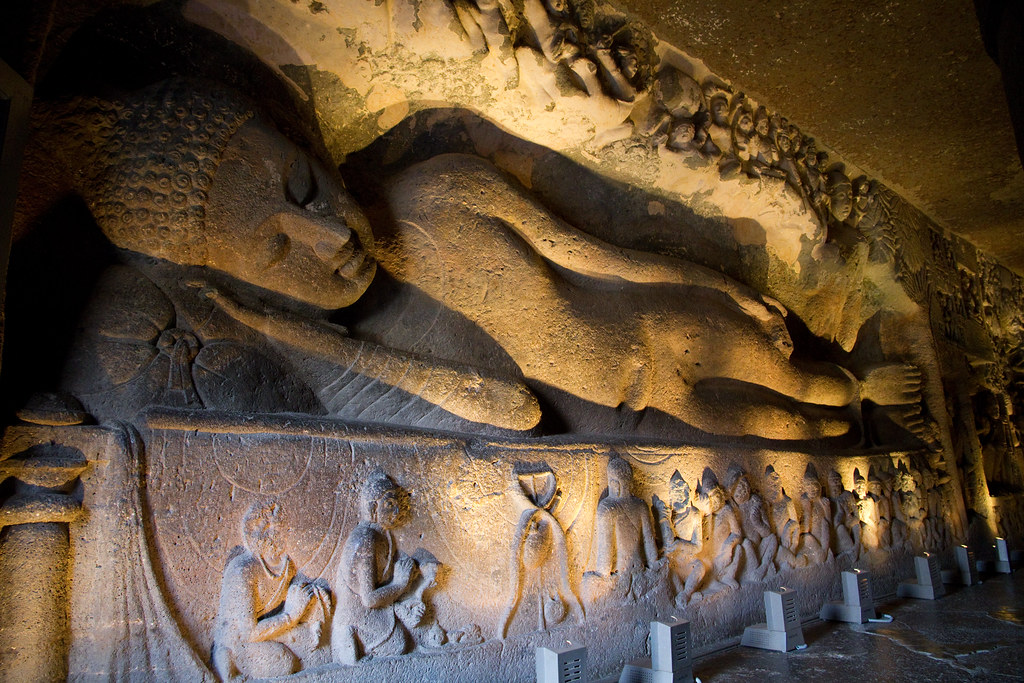
This late Mahayana chaitya hall holds a 23-foot carved reclining Buddha depicting the moment of Mahaparinirvana, flanked by panels showing the assault of Mara; a Rashtrakuta inscription on the wall confirms the cave remained in active use into the 8th–9th centuries CE.
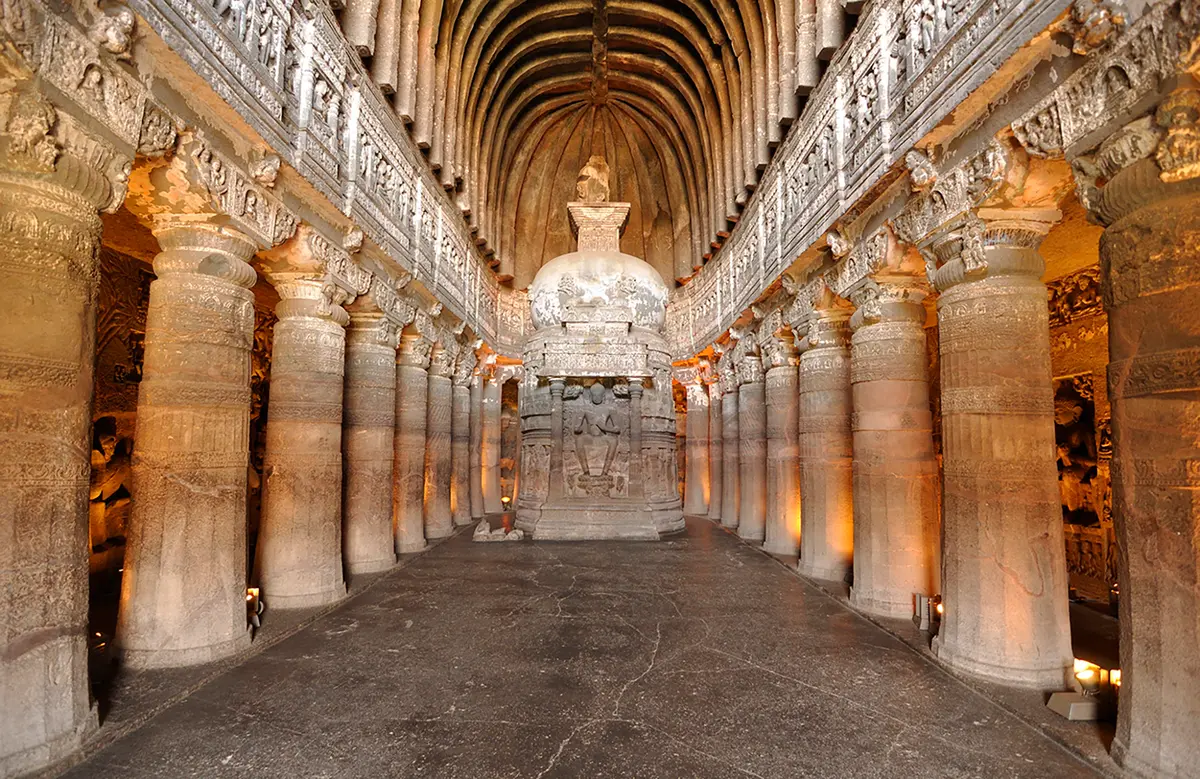
Cave 10 is believed to be the oldest structure at the complex, dating to approximately 200 BCE, and was the first cave spotted by British officer John Smith during his hunting expedition in 1819; it features rows of octagonal pillars flanking a central rock-cut stupa inside a barrel-vaulted hall.
Every Ajanta Caves tour side-by-side — duration, what's included, how you redeem.
| Experience | From | Duration | Transfers | Pickup | Lunch | Tax inc. | Free cancel. | Price | |
|---|---|---|---|---|---|---|---|---|---|
|
Skip-the-line Most popular
2-Day Private Ajanta & Ellora Caves Tour from Aurangabad
|
Aurangabad | 48 hr | — | — | — | — | ✓ | €35 | Book → |
|
Standard Entry
Ajanta & Ellora Caves Full-Day Tour from Aurangabad
|
Aurangabad | 10 hr | — | — | — | — | ✓ | €29 | Book → |
|
Premium Combo
Ajanta & Ellora Caves Day Tour from Aurangabad
|
Aurangabad | 24 hr | — | — | — | — | ✓ | €41 | Book → |
|
Guided Experience
Aurangabad: 2-Day Ajanta & Ellora Caves Guided Tour with Entry Tickets
|
— | 48 hr | — | — | — | — | ✓ | €130 | Book → |
All prices from verified partners. Availability and exact terms confirmed at checkout.
Choose your ticket, select your date, and reserve in under two minutes. Secure checkout handled by our verified partner.
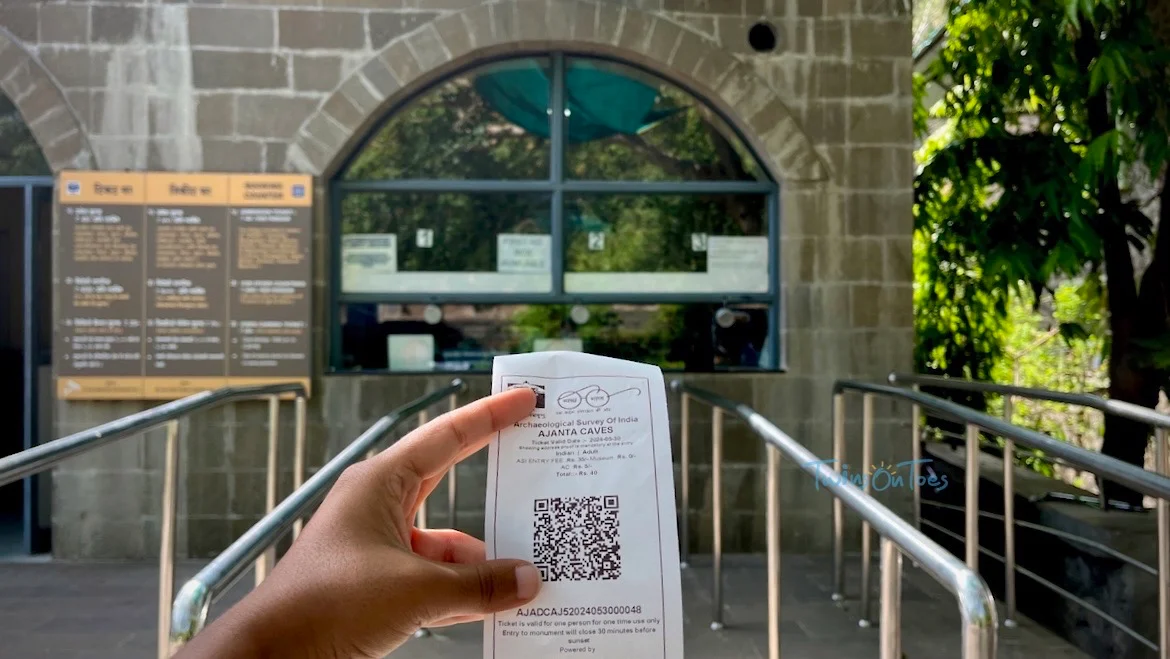
Instant confirmation by email, with a mobile voucher you can save offline. No printing, no queuing at a collection desk.
Arrive at the entrance, show your voucher on your phone, and walk in. Most tickets include priority or skip-the-line access.
Practical details for Ajanta Caves tickets straight from our verified partners — hours, access, rules, and how to get there.
Ajanta Caves Parking Area, Ajanta, Aurangabad District, Maharashtra 431117
Central meeting point; all guided tours and shuttles depart from here
Open in Google MapsPrivate cab from Aurangabad (Chhatrapati Sambhajinagar); most direct option. Full-day cab typically costs ₹3,500–4,500 from Aurangabad.
MSRTC state buses depart Aurangabad central bus stand toward Ajanta village; last stretch from Fardapur junction to caves is covered by local auto or shared jeep.
Train to Jalgaon railway station (well-connected to Mumbai, Delhi, Nagpur), then taxi or shared cab to caves.
Mandatory green shuttle bus from the designated parking area to the cave entry zone; runs every 15 minutes.
There is no strict religious dress code at the ajanta caves, but modest, comfortable clothing is strongly recommended. Lightweight, breathable fabrics suit the warm Deccan climate, and covered shoulders and knees show respect in these historically sacred Buddhist spaces. Remove footwear before entering individual cave sanctums as indicated by signage.
All bags pass through a security check at the main ticket gate before boarding the eco-shuttle to the cave complex. Large backpacks and suitcases should be left at the cloak room near the parking area. Small day-packs are permitted inside the caves.
Handheld cameras and smartphones are permitted inside the ajanta caves; a ₹25 fee applies for dedicated cameras. Flash photography is strictly prohibited throughout the complex, as UV and intense light degrade the ancient organic pigments used in the murals. Tripods require prior written permission from the Archaeological Survey of India and are rarely granted to individual visitors.
The cliff path linking all 30 caves is paved but involves uneven gradients and several stepped entrances; full wheelchair access is not available for all caves. Visitors with mobility challenges can hire a dolly service (palanquin carried by trained staff, approximately ₹2,000, booked at the ticket counter). Restrooms and drinking water facilities are available at the entrance complex near the eco-bus station.
Mobile network coverage is very limited near the cave complex due to the gorge topography; download offline maps and any audio guides before leaving Aurangabad or Jalgaon. Phones may be used for photography inside caves without flash. Keep devices on silent mode to preserve the tranquil atmosphere.
Ajanta caves tours are well suited to families with older children who have an interest in history and art; the 2–4 km cliff walk requires moderate fitness. Children under 15 are admitted free of charge. Government-licensed guides (approximately ₹1,800 for groups up to five) can make Jataka tale narratives engaging for younger visitors. Carry water and sun protection, as the external walkway is fully exposed.
A government-run restaurant and small snack stalls operate near the entrance and eco-bus station, offering basic Indian meals and refreshments. No food or drink is permitted inside the cave chambers themselves. Drinking water is available at the entrance complex; carrying a refillable bottle is advisable given the distance from the parking area to the caves.
Pets are not permitted anywhere within the ajanta caves protected zone, including the shuttle route and cave walkway. This applies to all animals except certified assistance dogs with documented accreditation.
A free ASI museum near the site entrance provides context on cave excavation history and painting techniques; entry is included with your main ticket. Government-licensed guides are available at the entrance gate and can significantly enrich the experience by identifying iconographic details across the 16 painted caves. The mandatory eco-shuttle (₹40 per person) runs every 15 minutes between the designated parking area and the cave entry zone, covering approximately 4 km.
Ajanta Caves Parking Area, Ajanta, Aurangabad District, Maharashtra 431117
Central meeting point; all guided tours and shuttles depart from here
Get directions
Approx. 16 km before the main site on Aurangabad Road, then 8 km inside
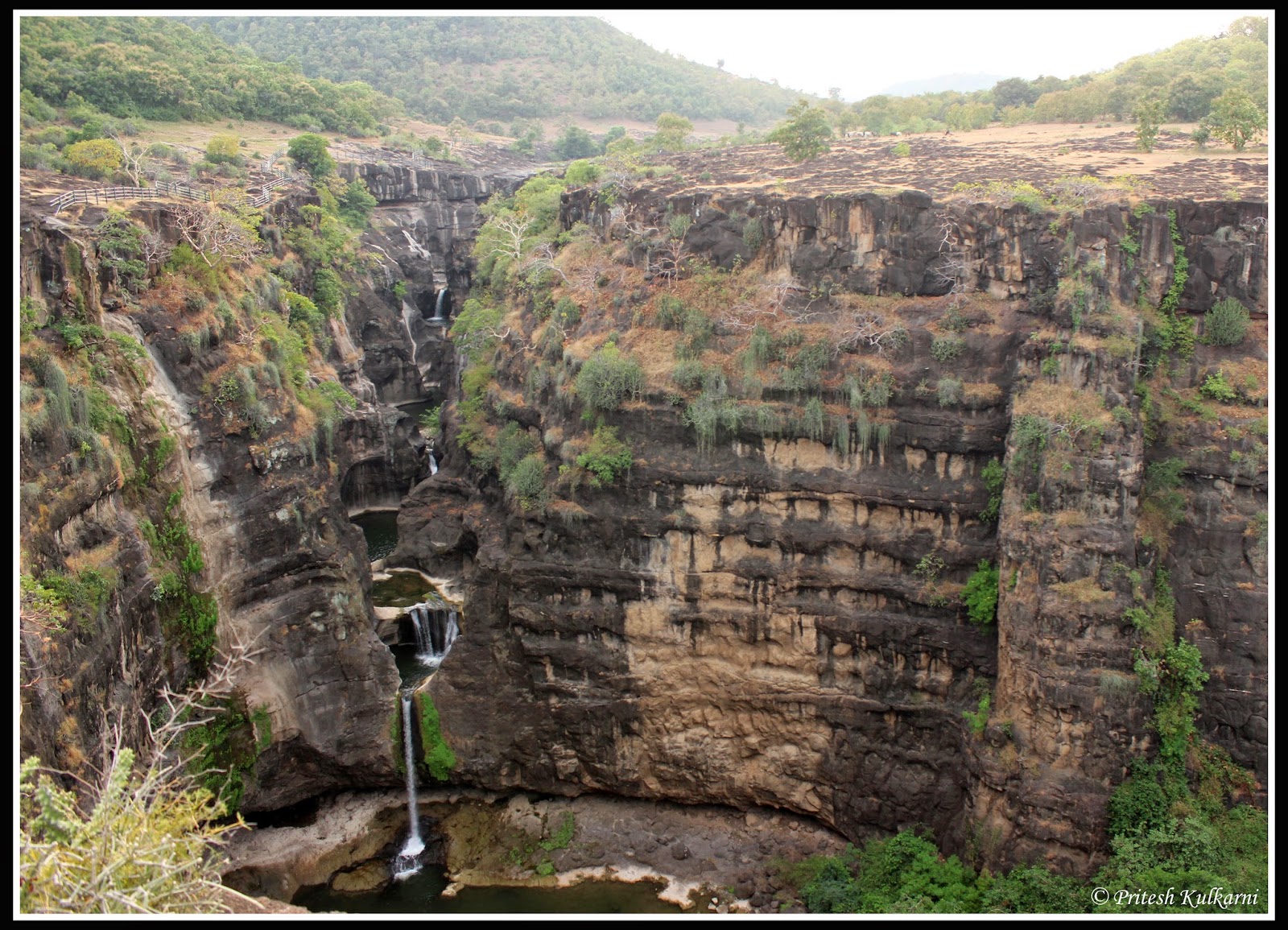
Elevated panoramic viewpoint over the horseshoe gorge; accessible by private vehicle
Get directionsBest time to go, insider tips, nearby landmarks, and the cancellation fine print — flip through to skim what matters to you.
How crowds, weather, and events shift across the year.
Cool and dry weather (15–25 °C) with clear skies; peak season with the best conditions for walking the exposed cliff path and viewing murals.
Warming temperatures but still manageable; spring shoulder season brings moderate crowds and good visibility inside caves.
Hot Deccan summer with temperatures exceeding 40 °C; fewer crowds but physically demanding; early morning arrival (09:00) is essential.
Monsoon season brings lush green gorge scenery and cooler air; access roads can be affected by rain and some days may see very heavy downpours — verify road conditions before travel.
Post-monsoon transition; vegetation is green and temperatures moderate, making it an excellent month for visiting ajanta caves before the main tourist season begins.
Small details that turn a good visit into a great one.
The canonical best arrival window of 09:00–11:00 gives you the advantage of cooler temperatures, lower attendance, and the natural morning light that illuminates Cave 1 and Cave 2 murals most vividly.
Many cave interiors are deliberately dark and the existing lighting is dim; a phone torch or compact flashlight lets you see mural details that would otherwise be invisible, especially in Caves 16 and 17.
Government-approved guides (approximately ₹1,800 for groups up to five) know precisely which angle and time of day sunlight enters each cave, and their iconographic knowledge of Jataka tales transforms the visit from sightseeing into storytelling.
Card readers near the eco-shuttle counter frequently fail due to weak signal in the gorge; have small-denomination notes for the shuttle (₹40), camera fee (₹25), and any dolly service.
The ancient natural pigments used in Ajanta's murals are acutely sensitive to UV and sudden light; flash can cause irreversible bleaching and also risks disciplinary action by ASI staff on-site.
The approach road through the Deccan countryside has limited services; stock up on water and snacks at Fardapur (~15 min before the caves) to avoid relying solely on the on-site stalls.
Non-bookable sights within a short walk — free to visit, easy to pair.
Panoramic overlook of the full horseshoe gorge and Waghora River valley from above the cliff line.
Small village near the caves with the Waghora River flowing through the gorge; the riverside setting is the geographic context for the entire rock-cut complex.
Small roadside town serving as the nearest service hub for food, fuel and accommodation for cave visitors.
Flexible, no hidden fees.
Ajanta Caves entry tickets purchased at the on-site counter are non-refundable; the ₹600 INR ASI conservation fee per person is collected at point of entry and is not transferable. For third-party tour bookings that include cave entry, cancellation terms vary by operator — review the operator's policy before booking.
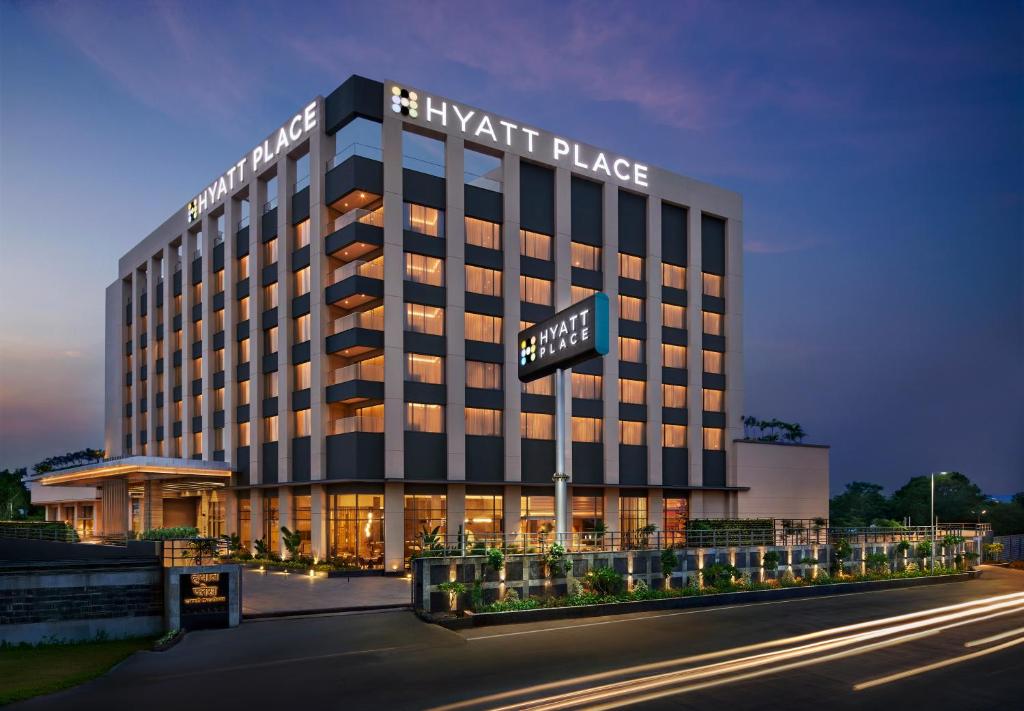
Hand-picked options within walking distance — pick a district for vibe, or a specific hotel for convenience.
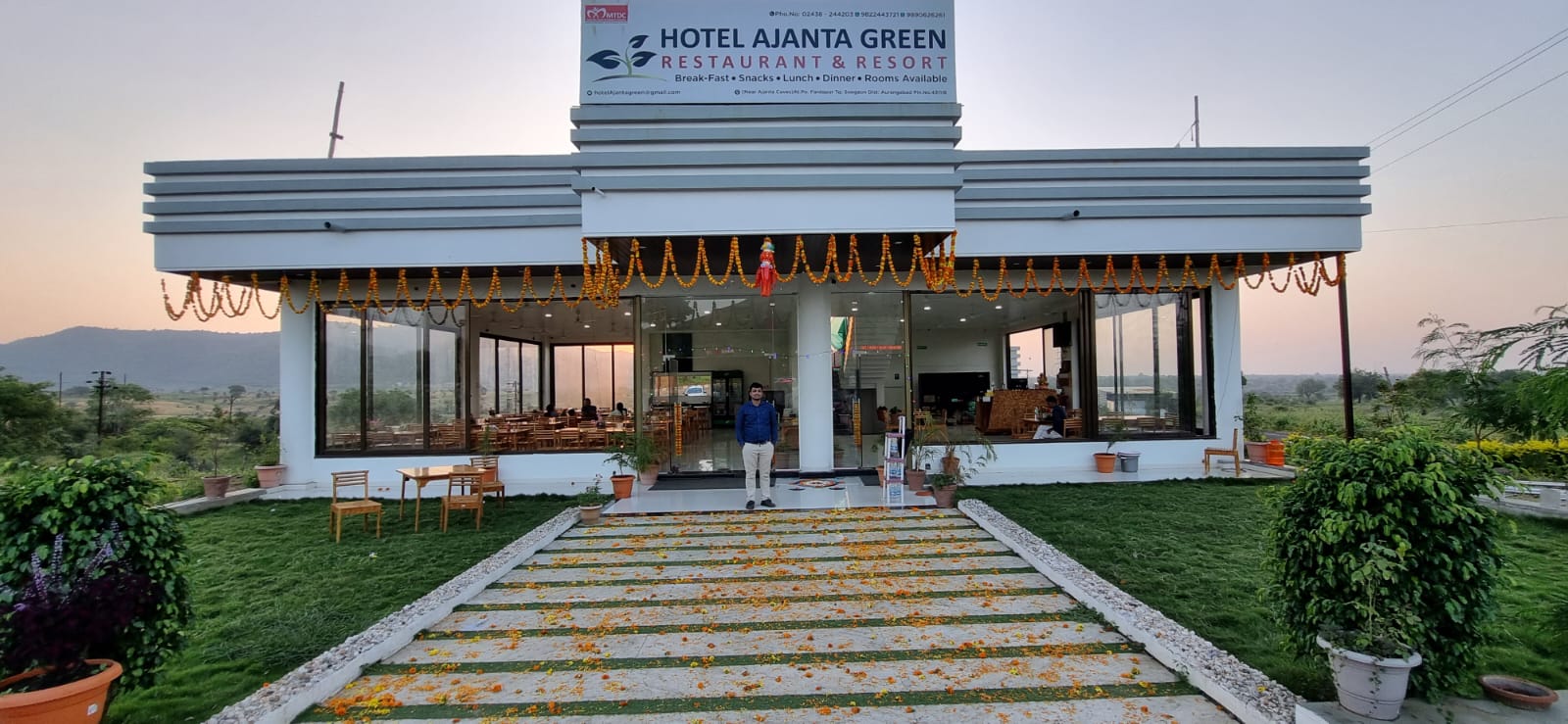
Maharashtra Tourism Development Corporation property located closest to the caves; basic rooms with restaurant facilities.
Known among regular cave visitors as a clean and convenient lunch and stay option near the site entrance.
Aurangabad offers the widest range of accommodation from budget guesthouses to business hotels; best base for combining ajanta caves with Ellora and city monuments.
The Ajanta Caves are open Tuesday through Sunday from 09:00 to 17:30. The site is closed every Monday for maintenance and conservation work.
The Archaeological Survey of India charges ₹600 INR per person as a conservation entry fee for foreign nationals. Children under 15 are admitted free of charge, and Indian nationals pay a separate lower rate.
The Ajanta Caves are closed every Monday; this is the only regular weekly closure. On all other days the site operates from 09:00 to 17:30, including public holidays — though closures on major national holidays should be verified locally before travel.
The recommended arrival window for this ancient rock-cut monument is 09:00–11:00, when attendance is lightest and the soft morning light enters the cave openings at an angle that brings out the natural warm tones of the Jataka murals. The site opens at 09:00, and arriving at opening time gives the best experience.
For first-time visitors on an Ajanta Caves tour, Cave 1 (Bodhisattva Padmapani mural), Cave 2 (ornate ceiling paintings), Cave 16 (the 'Dying Princess' fresco), Cave 17 (most varied Jataka narrative paintings), and Cave 26 (colossal 23-foot reclining Buddha) are the must-see highlights. Cave 10 is the oldest structure, dating to approximately 200 BCE.
Handheld cameras and smartphones are permitted throughout the Ajanta Caves complex; a ₹25 camera fee applies for dedicated cameras. Flash photography is strictly prohibited, as intense light degrades the 1,500-year-old organic pigments. Tripods require prior written permission from the Archaeological Survey of India.
From Aurangabad (Chhatrapati Sambhajinagar), a full-day taxi takes approximately 2.5–3 hours over 105 km and typically costs ₹3,500–4,500. State buses run from Aurangabad central bus stand to Fardapur, from where local autos reach the site. Alternatively, take a train to Jalgaon (60 km away) and hire a taxi for the final leg.
Full wheelchair access is not available for all caves, as the cliff path involves uneven gradients and stepped entrances. Visitors with significant mobility challenges can hire a dolly service (a palanquin carried by trained staff) at approximately ₹2,000, bookable at the ticket counter.
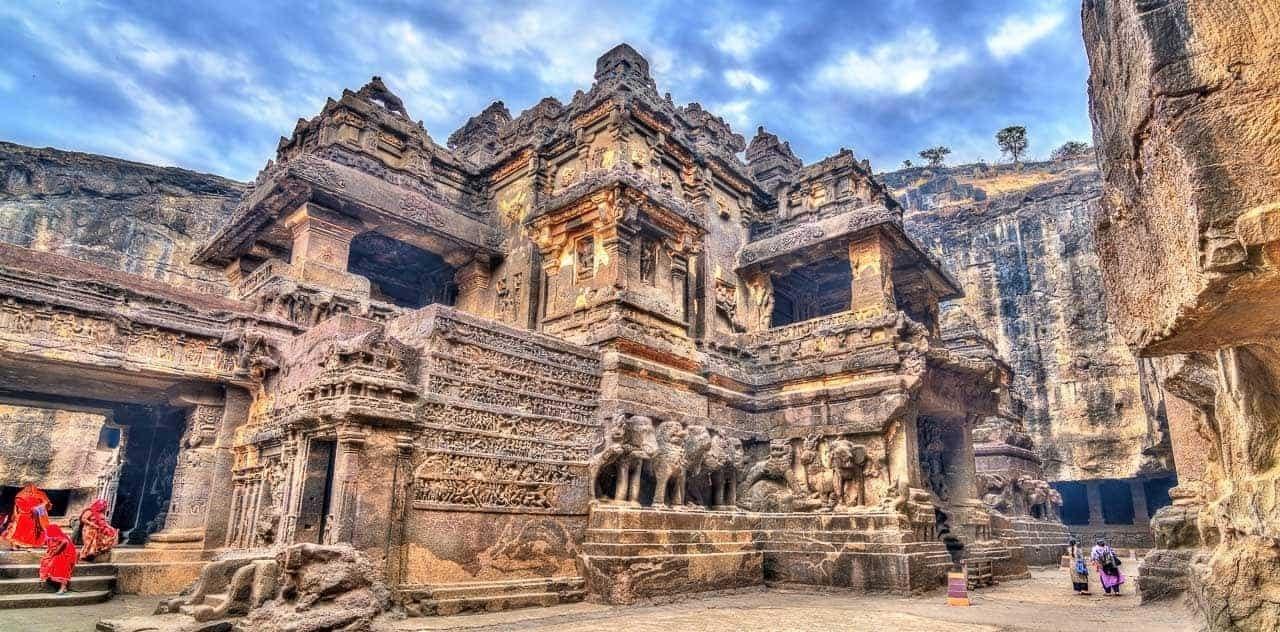
Yes, combining both UNESCO World Heritage Sites in one trip is very popular; the two cave complexes are approximately 100 km apart. Each site requires half a day to a full day to explore properly, so most travellers allocate two separate days, using Aurangabad as a base for Ellora Caves tours the following day.
Comfortable, breathable clothing and closed-toe walking shoes with good grip are essential for the uneven cliff path. Bring a small torch for dark cave interiors, a refillable water bottle, cash in small denominations, and high-SPF sun protection for the exposed walkway. Modest dress is appreciated in these historically sacred Buddhist spaces.
A government-run restaurant and snack stalls operate near the entrance and eco-bus station at the Ajanta Caves site, offering basic Indian meals and refreshments. No food or drink is permitted inside the cave chambers; plan to eat before boarding the shuttle or during your return.
Tickets purchased directly at the on-site ASI counter are non-refundable; the ₹600 conservation fee is collected at entry and cannot be transferred. If you have booked an Ajanta Caves tour through a third-party operator, cancellation and refund terms are set by that operator and should be reviewed before booking.